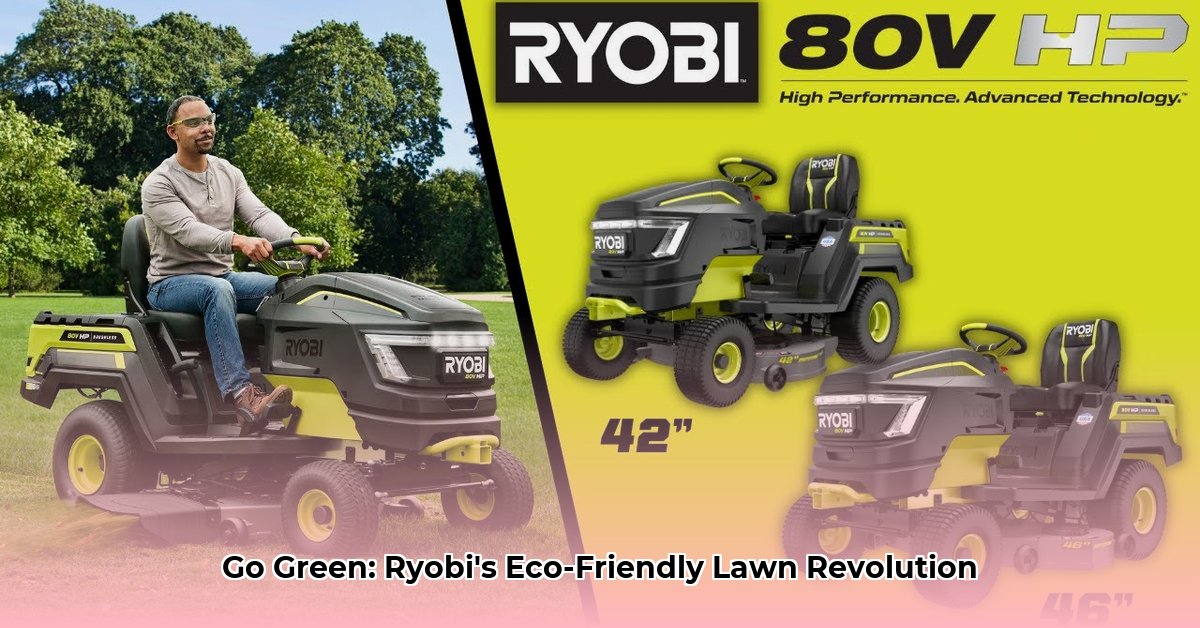
Ryobi Lawn Tractor: Suitable for Sustainable Farming? A Critical Examination
The question of using a Ryobi lawn tractor (or similar gasoline-powered equipment) in sustainable agriculture requires careful consideration. While convenient for home lawns, their application in farming presents significant sustainability challenges. This article explores these challenges and proposes more ecologically sound alternatives. For larger farms, consider autonomous tractor options.
Fuel Efficiency and Emissions: The Environmental Cost of Gasoline
Gasoline-powered equipment, including Ryobi lawn tractors, contribute significantly to greenhouse gas emissions. These emissions—primarily carbon dioxide, methane, and nitrous oxide—exacerbate climate change. For sustainable agriculture, minimizing the carbon footprint is paramount. The continuous emissions from regular mowing operations represent a considerable environmental burden. Considering the readily available alternatives, is the convenience of a gasoline-powered mower justified when weighed against its contribution to climate change?
Soil Compaction: Impact on Soil Health and Productivity
Heavy machinery, such as lawn tractors, can compact soil, reducing water infiltration and aeration. This compaction hinders root growth, leading to decreased crop yields and impaired soil health. Healthy soil structure is crucial for sustainable agriculture, supporting microbial activity and nutrient cycling. The long-term negative effects of soil compaction significantly outweigh any perceived short-term gains in efficiency associated with using heavy machinery. Does the temporary convenience of using a heavy machine justify the long-term damage inflicted on the soil's structure and overall productivity?
Noise Pollution: Disturbances to Wildlife and Ecosystems
The noise generated by gasoline-powered mowers disrupts wildlife habitats, potentially affecting bird populations, insect pollinators, and other crucial components of the ecosystem. Sustainable farming aims for ecological harmony, minimizing disturbances to the natural environment. The constant drone of machinery can significantly alter wildlife behavior, affecting foraging patterns, breeding cycles, and overall survival rates. How can we reconcile the need for efficient land management with the importance of preserving biodiversity and minimizing noise pollution?
Maintenance and Repair: The Full Lifecycle Impact
The complete lifecycle of a Ryobi lawn tractor—from manufacturing and transportation to maintenance, repairs, and eventual disposal—carries environmental implications. Sustainable agriculture emphasizes minimizing the environmental footprint across all stages of a product's lifecycle. This includes the resources consumed during manufacturing, waste generated during operation, energy used for repairs, and the challenges of responsibly disposing of the machine at the end of its useful life. Is it sustainable to continue using equipment with significant resource consumption and a substantial waste footprint at the end of its lifespan?
Sustainable Alternatives: Eco-Friendly Farming Practices
Fortunately, numerous sustainable alternatives exist for maintaining agricultural land. While some might demand more labor, their long-term ecological benefits supersede any short-term inconveniences.
Electric Mowers: For smaller-scale operations, electric mowers provide a cleaner, quieter alternative, significantly reducing greenhouse gas emissions and noise pollution.
Manual Methods: For very small areas, manual tools like scythes and hand-held mowers offer zero-emission, sustainable land management.
Appropriate-Sized Equipment: Choosing equipment sized appropriately for the scale of the operation is vital. Oversized machinery leads to increased fuel consumption, unnecessary soil compaction, and higher overall costs.
No-Till Farming: No-till farming techniques reduce soil disturbance, improving soil health, and minimizing the need for excessive machinery.
Crop Rotation and Cover Cropping: These practices enhance soil fertility without reliance on intensive machinery.
Conclusion: Choosing Sustainability in Agriculture
While a Ryobi lawn tractor might prove suitable for a residential lawn, its application in sustainable agriculture is questionable. The environmental impact of greenhouse gas emissions, soil compaction, noise pollution, and the overall lifecycle burden makes the use of such equipment unsustainable in the long run. Adopting alternative methods better aligns with the principles of ecological stewardship and responsible land management. The transition to sustainable alternatives represents a commitment to a more environmentally sound future for agriculture.